Space exploration dates back to 1957, when Sputnik 1 entered outer space. Since then, space exploration has taken the world by storm, and there are now 77 space agencies throughout the world. Such agencies continually develop new technologies and launch spacecraft to collect data, monitor space, and observe Earth.
However, the abundance of spacecraft, such as satellites, has created a problem that affects all spacefaring organizations. Space exploration generates lots of debris, which threatens current and future spacecraft and makes exploration dangerous. Much of this debris is in low Earth orbit, where debris can travel as fast as 17,500 miles per hour.
This has scary implications, not only for astronauts but for everyone on Earth below. Space debris can cause problems even if it doesn’t burn up upon reentry. Follow along as we explore how space congestion affects us and how technology and policy can solve the problem.
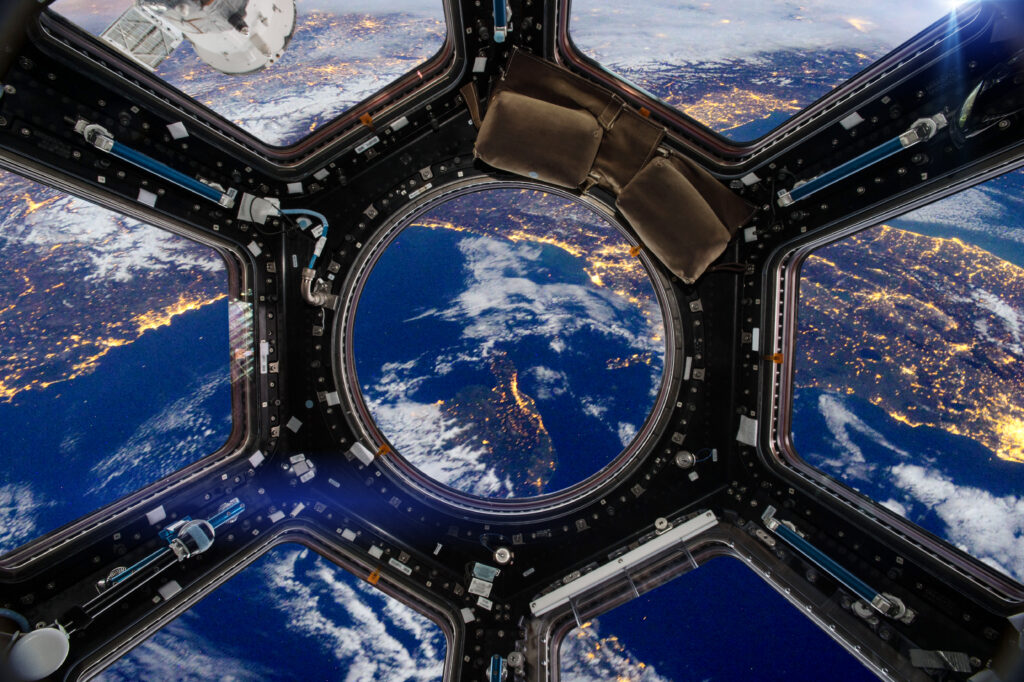
The Impact of Space Congestion
Space congestion is more than a simple traffic jam going on far away from Earth. However, it’s easy to think of it that way since you can’t see what’s going on up above. That said, space congestion affects everyone in that it can contribute to many atmospheric and environmental problems.
This is true no matter where you live, and it’s more important to consider than ever. Ozone depletion is a serious topic today, and it relates to space congestion more than you may know. Space is quickly getting crowded, and it affects the world in many ways, such as:
-
Putting Tech at Risk
For decades, the United States and many other countries have launched technology into space. Whether they be satellites or space stations, this tech is sensitive and expensive. Space congestion puts expensive technology, like orbiters and satellites, at risk.
Naturally, satellites are more likely to collide with one another when they occupy the same space. Active satellites can collide with one another and cause irreparable damage in some cases. The debris that space technology leaves behind can also collide with active satellites.
Low-Earth orbit congestion shows no signs of slowing down, as tens of thousands of satellites are projected into orbit over the next few decades. Satellite collisions can knock communications out and render navigation systems useless. Eventually, certain areas within the orbit may be deemed worthless if they are overcrowded and dangerous.
-
Increased Space Debris
Many of the technological staples within space exploration generate lots of debris. While some of it burns up on reentry, a lot of it can linger in space or land on the Earth’s surface. Many space agencies throughout the world do their best to track space debris and follow its trajectory.
However, doing so can get quite difficult when space gets congested with crafts and satellites. Organizations like NASA keep this in mind and design satellites to minimize debris and reduce the risk of impact. That said, such practices are far from perfect and have a long way to go.
Space exploration organizations can further minimize debris if they communicate and share information. After all, the debris from each spacecraft can affect other crafts in orbit, and ultimately, the Earth’s surface and oceans. Collision-proofing and safely removing decommissioned spacecraft from orbit can also minimize the damage caused by space debris.
-
Atmospheric Damage
What comes up must come down, and that includes space technology. Many people know that space debris can enter the atmosphere and land on the ground and in the oceans. However, some space debris burns up upon reentry and releases chemicals that can harm the atmosphere.
Rocket fuel alone is bad for the environment, as it can weaken the Earth’s ozone layer. This means that spacecraft can harm the ozone layer upon takeoff and reentry. Similarly, a combination of atmospheric compression and speed can burn space debris, releasing alumina and nitrogen.
Naturally, the more congested that space becomes, the more space debris will reenter the atmosphere. Environmental preservation is one of many parameters surrounding Space Law, and it’s more important than ever. Many believe that policy changes and tech innovations can minimize space congestion and environmental damage from space exploration.

-
Economic Impact
It’s no secret that space exploration is quite expensive, even when everything goes well. However, space congestion and the problems it causes can make space exploration more costly. Spacefaring organizations rely on satellites for observation and communication, and they cost a fortune.
Space congestion and the associated debris can damage this technology and lead to costly repairs. Naturally, the damage they suffer can create even more debris, which can, in turn, damage other spacecrafts. This can create an expensive, frustrating, vicious cycle that affects taxpayers and independent organizations alike.
Commercial satellites can also suffer serious damage and lead to major expenses. Reducing these expenses will require space organizations to collaborate and communicate to reach positive solutions.
Modern Solutions Are More Important Than Ever
It’s clear that space congestion can cause many economic and environmental problems. However, spacefaring countries can help reduce such problems through creativity and cooperation. For example, space exploration organizations must collaborate to more effectively monitor space traffic.
Sharing such innovations and information is important, as the problems caused by space congestion affect each spacefaring organization. While Space Law exists, many believe that more stringent space exploration regulations are necessary. Establishing new regulations can ensure accountability and encourage communication among spacefaring organizations throughout the world.
Strict regulations paired with cooperation can help prevent collisions, minimize ozone depletion, and reduce space congestion. After all, space congestion affects each organization, no matter which country they represent. Similarly, the land and oceans below are at risk, so protecting them must be considered a priority.
The Future of Space Exploration Relies on Communication
It’s hard to deny that communication can make a world of difference in space congestion. Cooperation and communication can significantly reduce the amount of debris that spacefaring organizations generate.
Space organizations must allocate funds to monitoring and space traffic management systems to prevent disasters and protect the ozone layer. It may take time, but managing space traffic can prevent economic and environmental problems that affect many countries and individuals.
About the Author
Ryan Ayers is a researcher and consultant within multiple industries, including information technology, blockchain, and business development. Always up for a challenge, Ayers enjoys working with startups as well as Fortune 500 companies. When not at work, Ayers loves reading science fiction novels and watching the LA Clippers.
Leave a Reply