Forensic training is broader in its usefulness than many people understand. What we’re talking about, really, is a method-driven field that focuses on documentation, integrity, and devotion to facts.
It’s a professional discipline that has applications in a wide variety of industries. In this article, we take a look at how forensic methodology can have major implications for healthcare and technology careers.
What Forensic Really Means
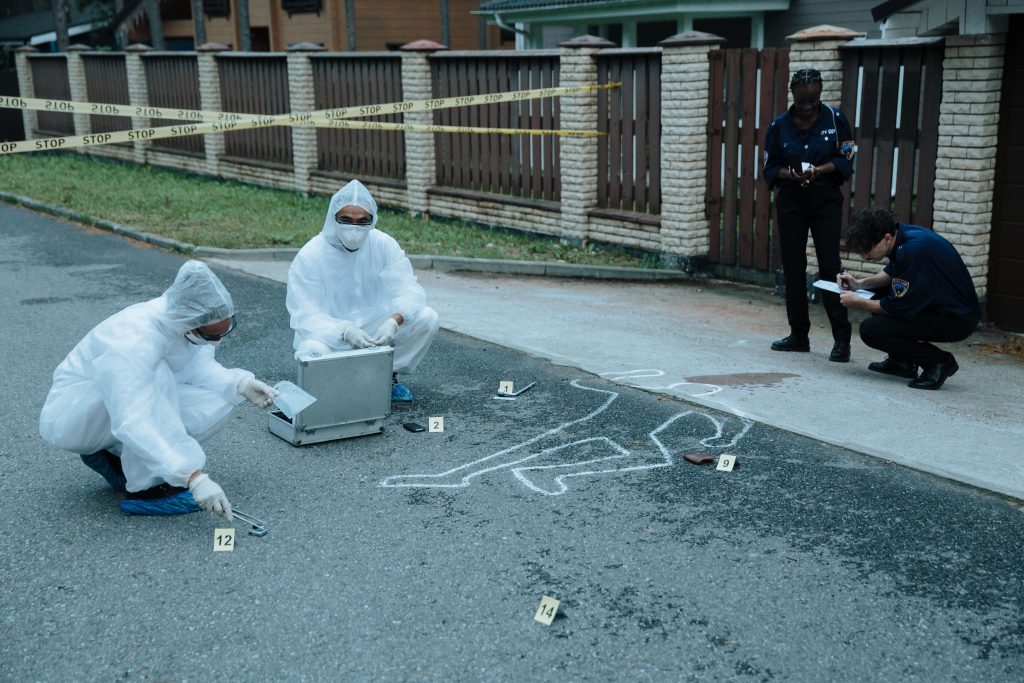
In the world of forensics, there are many different types of careers and activities that may be relevant. All of them, however, center around collecting information that can be used in a legal process. For that reason, forensic career paths are method-driven, with a significant focus on data collection and documentation.
That said, there are a wide variety of different kinds of applications that could be relevant across forensics. For example, forensic accounting, which is used to help determine if a business or individual has committed some type of financial crime. There are forensic tech-related jobs that focus on cybercrime. There are even forensic jobs specific to the world of healthcare.
Below, we’ll take a look at how forensics plays a role in healthcare and why training in general is good for technical careers.
What Is Forensic Nursing?
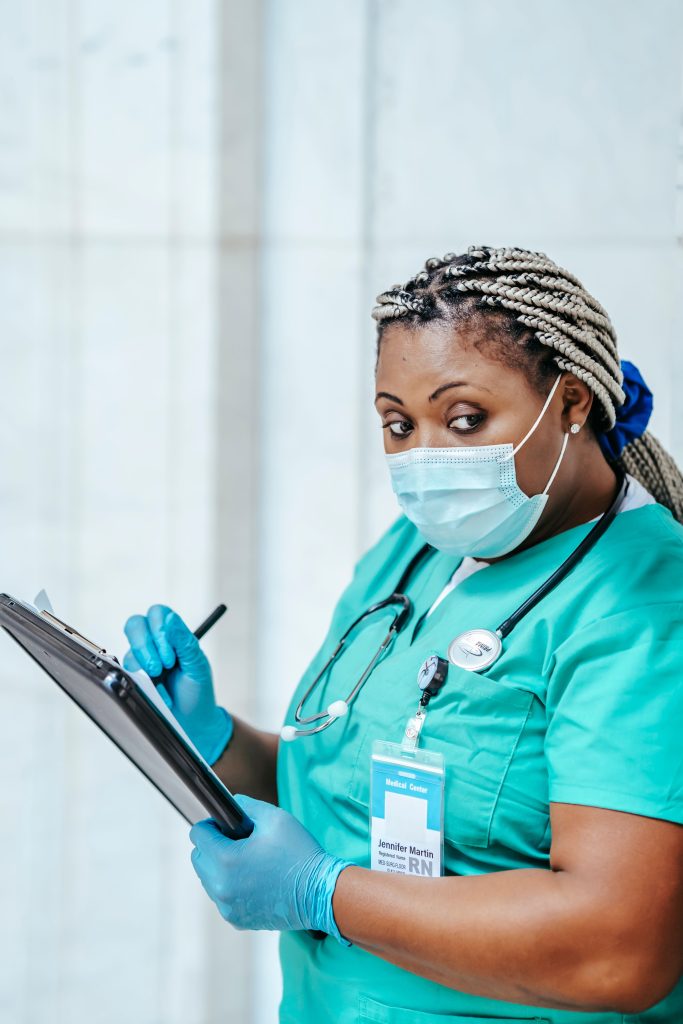
Forensic nursing is a career path that sits at the intersection of law enforcement and healthcare. In the event of a violent crime, police consult with healthcare professionals to collect evidence that can be used in a court of law, while also administering quality care to the victims.
Forensic nurses come in to assess the condition of the victims, collect relevant samples, and provide care. In many cases, this means working with victims of recent sexual assault or domestic violence.
The work, naturally, is very sensitive. And, consequently, not for the faint of heart.
That said, it does involve unique opportunities not commonly associated with healthcare. For example, forensic nurses will often testify in court and consult with police.
In this way, it’s a good opportunity for people who are interested in branching out outside nursing.
How Do You Become a Forensic Nurse?
To begin, all forensic nurses start out as registered nurses. This means going through what is usually a four-year nursing program complete with clinical rotations.
Once the nurse has graduated from college, they must take an exam known as the NCLEX before they can be licensed.
From there, most nurses will work in a hospital setting for several years before moving into specialization. This wait period is not necessarily mandatory, but it can help an aspiring specialist determine what they like and don’t like about healthcare and find a path that suits their interests. It is also an ideal setting for putting into practice what they learned in nursing school.
Starting out as a bedside nurse can also potentially look better on applications.
Once an RN has determined that forensic nursing might be right for them, they begin the certification process. Often, this can actually start with a job search.
If you research forensic nursing job openings, you’ll note immediately that you don’t necessarily need your certification to be considered. That’s because part of the certification process involves hundreds of hours of supervised clinical experience.
In other words, to become a forensic nurse, you have to work as a forensic nurse. During this period, all work will be done with the supervision of someone who is already certified.
Once the certification process is complete, the forensic nurse will be able to work independently, usually for more money.
The Transferable Skills of Forensic Training
Now that we’ve explained how to become a forensic professional, let’s take a look at what makes the training valuable in the first place.
As mentioned earlier, forensic work applies to many different fields, including healthcare and technology. The value of the training is occupationally specific but has value that extends beyond that of any specific career path.
Forensic work is an extremely detail-oriented field. It involves taking a methodical approach to documentation, evidence collection, and communication.
While words like evidence certainly don’t apply to every career path, attention to detail, communication skills, and methodological faithfulness often are.
Forensic training certainly makes the most sense for people who are interested in entering a forensic field, but note that even if that career path winds up not being for you, the skills that you develop along the way will hold extra value. There are many career paths that benefit from professionals who can provide a high level of attention to detail as well as mastery over complicated, multifaceted processes.
Conclusion
Is a forensic career path right for you?
Forensic work is not for the faint of heart. As we’ve mentioned throughout the article, the daily experiences of any professional in the world of forensics will involve encounters with crime. In the case of a healthcare worker, that’s usually violent crime.
As a forensic nurse, your job will involve speaking to people during the worst moments of their lives. That can be difficult to deal with, though in many ways not necessarily different from the realities of any nurse.
It’s also worth keeping in mind that the work itself will be considerably more procedural than you are likely used to. Most nurses get into the profession because they are interested in helping sick people during moments of great difficulty.
That’s not what this work will ask of you. Forensic nurses do provide medical care. Typically, however, that care is delivered acutely. In other words, you’ll often only see a patient once, and even then for a relatively short amount of time. The collection of evidence is your primary task.
This is not at all to scare you away. The work is valuable, stimulating, and in high demand. For the right person, it is an excellent and genuinely impactful career path.
If you’re interested in forensic work, start looking for programs that are right for you. You may be surprised by how quickly you can pivot to this career path.
About the Author
Ryan Ayers is a researcher and consultant within multiple industries, including information technology, blockchain, and business development. Always up for a challenge, Ayers enjoys working with startups as well as Fortune 500 companies. When not at work, Ayers loves reading science fiction novels and watching the LA Clippers.
Leave a Reply